The Mosquito Crisis:

A Global Health Emergency

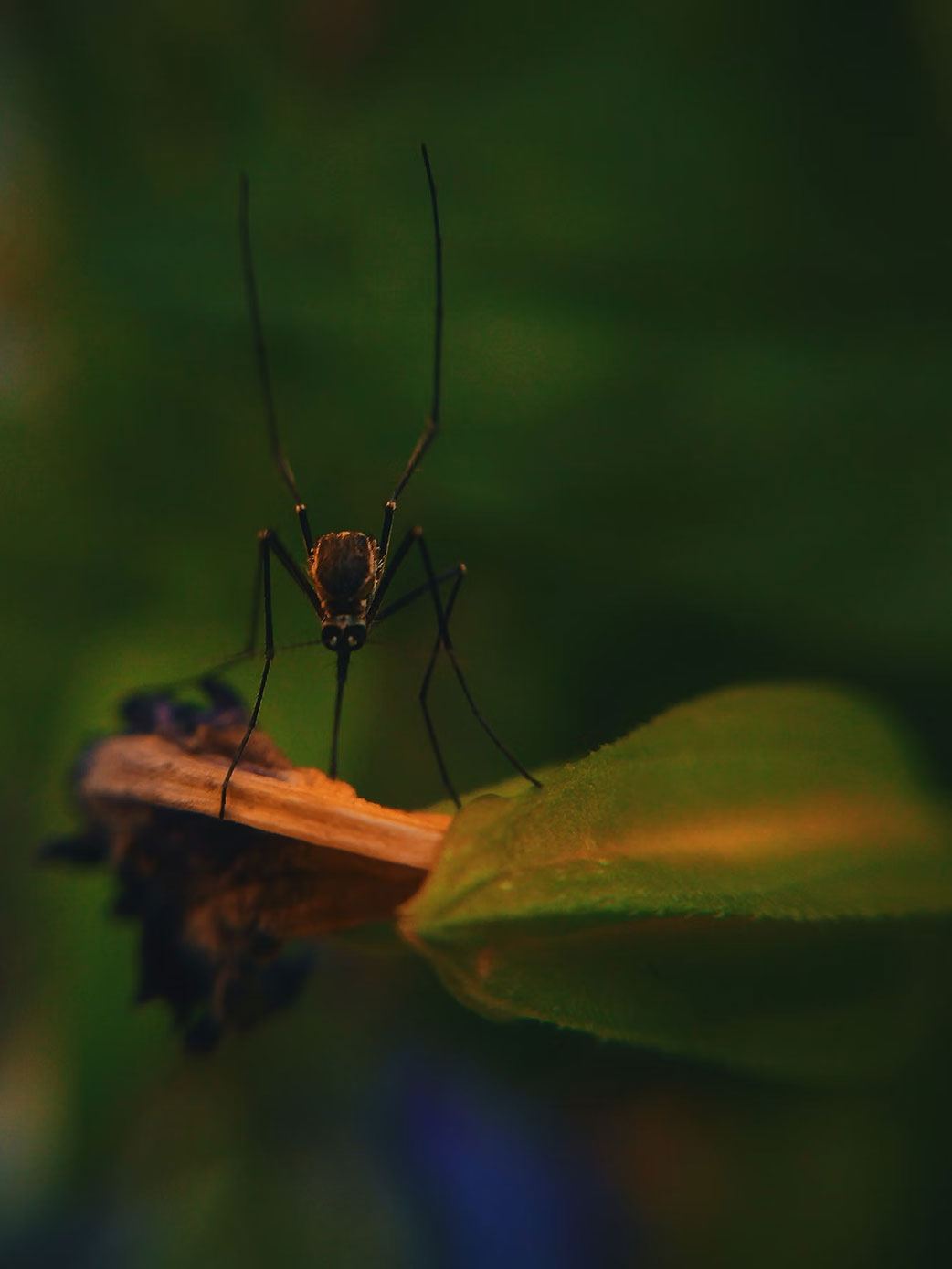
These tiny insects, and the debilitating and deadly diseases they carry, are responsible for over 1 million deaths annually, making them the deadliest animals on Earth. Mosquito-borne diseases affect more than 700 million people each year, particularly in tropical and subtropical regions across Africa, Asia, and South America—where access to medical treatment and prevention tools is often limited.
Different Mosquitoes, Different Threats

There are over 3,500 species of mosquitoes, but three major mosquito groups are responsible for spreading the deadliest diseases:

  • Anopheles: Malaria
  • Aedes: Dengue, Zika, Yellow Fever, Chikungunya
  • Culex: West Nile Virus, Japanese Encephalitis

These diseases can cause fever, brain swelling, birth defects, and even death. Many regions suffer from overlapping mosquito species, compounding public health risks.

mosquito
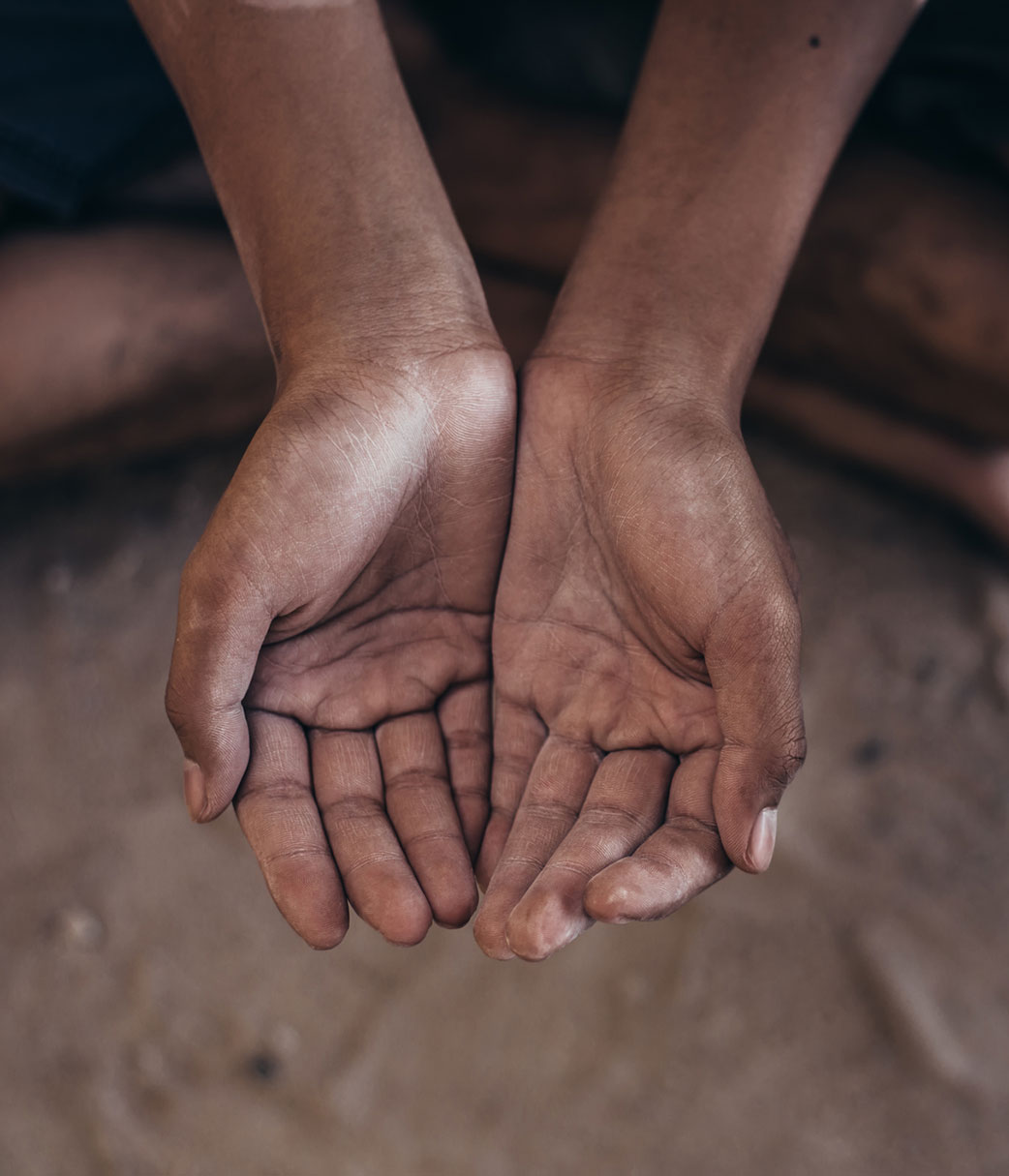
hands

Why There Are Still No Vaccines?

Unlike diseases such as measles or polio, mosquito-borne illnesses are caused by a diverse group of viruses and parasites, each requiring a unique vaccine approach. Many of these pathogens mutate rapidly or evade the immune system, making it difficult to develop vaccines that are broadly protective and long-lasting. While effective vaccines exist for some diseases such as yellow fever, dengue, and malaria, they remain limited by factors like supply constraints, eligibility restrictions, or the need for multiple doses. For most mosquito-borne diseases, however, no vaccine is available at all, leaving billions of people vulnerable.

Climate Change and Human Movement Are Fueling the Crisis

Warming temperatures, rising humidity, and increased rainfall are expanding mosquito habitats to new regions—including parts of North America and Europe. Meanwhile, human migration and international travel allow infected individuals and invasive mosquito species to spread diseases faster than ever. The result: outbreaks in places that have never experienced them before. The World Health Organization recently stated that now over ½ of the world’s population is at risk of Dengue fever.

Current Solutions Are Toxic, Temporary, and Failing

Current larvicidial control relies heavily on chemical-based and biological products, each with serious limitations:

  • Chemical insecticides (e.g., organophosphates like temephos) are toxic to humans and beneficial insects, and mosquitoes are developing resistance.
  • Although insect growth regulators (methoprene) and microbial insecticides (spinosad) are often considered safer alternatives, development of resistance in certain mosquito populations and reported impacts on aquatic invertebrates, respectively, have raised concerns about their long-term sustainability.
  • Bacillus thuringiensis (Bti) breaks down quickly in sunlight and requires frequent reapplication.
  • Insecticide-treated nets and sprays can help temporarily but lose effectiveness as resistance grows and are often impractical for widespread use.

The world urgently needs a safer, more sustainable solution.

third world country

News

A Disease-Carrying Mosquito Has Landed in the Rocky Mountains Where It Historically Couldn’t Survive

November 10, 2025

Erin Douglas

Grand Junction, Colorado

Mosquito Trap Tests Positive for West Nile Virus

October 31, 2025

Kate Esqueda

Hays County, Texas

Moskítófluga greind á Íslandi í fyrsta sinn (Mosquito Detected in Iceland for the First Time)

October 21, 2025

Náttúrufræðistofnun

Kjós, Iceland

New York State Department of Health Confirms First Locally Acquired Case of Chikungunya in New York State

October 14, 2025

New York Department of Health

Nassau County, New York

Chikungunya virus disease- Global situation

October 3, 2025

World Health Organization

Global Impact

Warming climate drives disease surge, study shows

September 8, 2025

Rob Jordan

Global Impact

Fascinating Facts About Mosquitoes

1

Only Female Mosquitoes Bite
While both male and female mosquitoes feed on nectar, only females bite humans and animals. They require the protein from blood to develop their eggs.

2

There Are Over 1 Trillion Mosquitoes World-Wide
Mosquitoes outnumber humans by more than 100,000 to 1 and are responsible for over 1 million human deaths annually.

3

Mosquitoes Can Detect Carbon Dioxide from 75 Feet Away
Mosquitoes are attracted to the carbon dioxide we exhale and can sense it from up to 75 feet, helping them locate their next meal.

4

Mosquitoes Prefer Type O Blood
Studies have shown that mosquitoes are more attracted to individuals with Type O blood compared to other blood types.

5

A Full Moon Increases Mosquito Activity by 500%
Mosquito activity can increase significantly during a full moon, with some studies indicating a 500% rise in biting activity.

6

Mosquitoes Can Breed in Just a Tablespoon of Water
Mosquitoes lay their eggs in stagnant water, and even a small amount like a tablespoon is sufficient for breeding.

7

Mosquitoes Have Existed for Over 400 Million Years
Fossil evidence indicates that mosquitoes have been around since the Triassic Period, making them one of the oldest surviving insect species.

8

Mosquitoes Beat Their Wings 300–600 Times Per Second
This rapid wing movement produces the characteristic buzzing and they move around at 1-3 kilometers per hour.

9

Some Mosquitoes Can Migrate Up to 100 Miles
While most mosquitoes stay close to their breeding grounds, certain species like the salt marsh mosquito can travel up to 100 miles in search of food.

10

Mosquitoes Are Found on Every Continent Except Antarctica
Mosquitoes are incredibly adaptable and are found worldwide, with the exception of Antarctica.